20 Audio Content Ideas For Plumbers, Electricians, And HVAC Contractors To Record This Week (2026)
By Sarah Chen | Published: 3/13/2026
Trades businesses are built on trust — and content marketing is the fastest way to build that trust before a homeowner ever picks up the phone. Here are 20 ready-to-record audio ideas that turn your existing knowledge into blog articles, social media posts, and podcast episodes automatically.
20 Audio Content Ideas For Plumbers, Electricians, And HVAC Contractors To Record This Week (2026)
Trades businesses are built on trust — and content marketing is the fastest way to build that trust before a homeowner ever picks up the phone. This guide gives plumbers, electricians, and HVAC contractors 20 ready-to-record audio ideas that turn your existing knowledge into blog articles, social media posts, and podcast episodes automatically.
Quick Answer: The best content for trades businesses answers the questions homeowners are already searching for: how to spot a problem, when to call a professional, what something costs, and how to avoid being ripped off. Record yourself answering those questions in plain language, and you'll produce content that ranks in local search, builds trust with new customers, and keeps your name in front of past clients between service calls.
---
90% of customers search online before hiring a home service provider. That's not a trend — it's the baseline. When a homeowner's hot water goes cold at 7am, they're not flipping through a directory or asking a neighbour. They're picking up their phone and typing "water heater repair near me" before they've even put their shoes on.
The contractors who show up in those searches aren't necessarily the best tradespeople in their area. They're the ones who've built an online presence that signals trust, expertise, and local credibility. Nearly 87% of customers won't consider a home services business with low ratings or weak online visibility. The decision to call you or your competitor is often made before anyone speaks a word.
Content marketing is how you own that moment. Not paid ads — content. Blog articles that answer real homeowner questions. Social media posts that show up in local feeds. Audio content that builds familiarity and trust over time. Content published consistently works as a 24/7 salesperson, educating and reassuring potential customers and nudging them to book.
The catch: most tradespeople don't have time to write blog articles or craft social media posts between jobs. That's where voice-to-content tools change the equation. With Patric AI, you record a short audio clip from your truck, your phone, or the job site — and it becomes a blog article, a podcast episode, and social media posts with graphics for LinkedIn, Facebook, Instagram, and X. Your knowledge becomes content. The writing takes care of itself.
Below are 20 audio ideas specifically built for plumbers, electricians, and HVAC contractors — organised by trade, with a ready-to-record prompt for each one.
---
Table of Contents
---
Why Trades Businesses Need Content Marketing In 2026
The home services market is hyper-local and intensely competitive. You're not competing nationally — you're fighting for visibility against 15 to 30 other plumbers, electricians, or HVAC companies within a 10-mile radius. And the battlefield is almost entirely online.
Paid advertising is one option, but the cost has climbed sharply. Google Ads clicks for emergency home service terms now cost $15 to $75 per click in competitive markets. That's an expensive way to stay visible, especially during slow seasons when you most need the phone to ring.
Content marketing solves a different problem. Instead of paying for attention every time someone searches, you earn permanent visibility through useful, relevant content. A blog article titled "Why Your Water Heater Is Making Banging Noises" keeps attracting the right homeowners for months or years after you record the five-minute audio that created it. A Facebook post about what to do if your circuit breaker keeps tripping gets shared by homeowners in your area and stays in their feeds long after you've moved on to the next job.
Home service businesses that create consistent content keep their calendars full even during off-peak months. That's the compounding advantage of content over paid ads: it doesn't stop working when you stop paying.
The best part for tradespeople specifically: you already know everything you need to know. The content isn't invented from scratch — it's drawn directly from the questions customers ask you every single day.
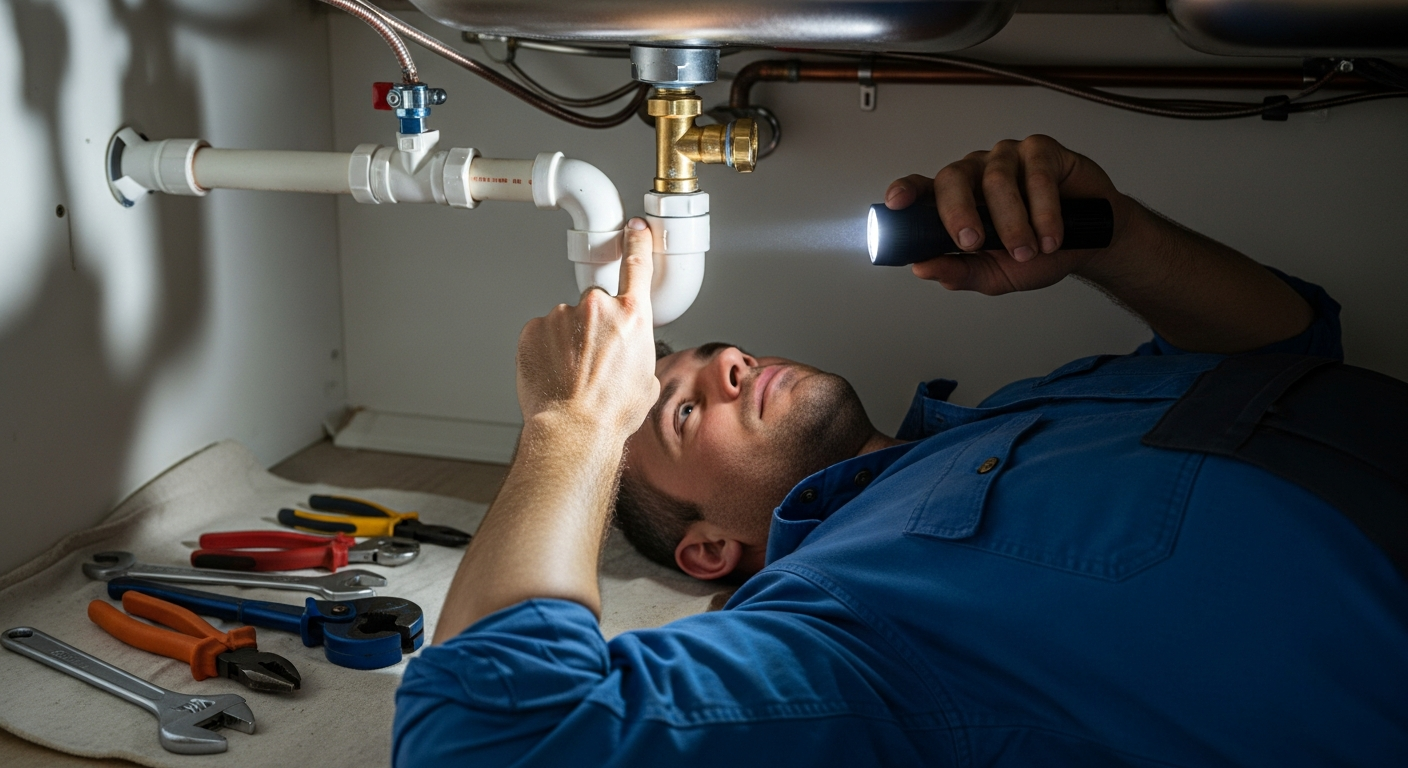
How To Record And Use These Ideas
Each idea below includes a ready-to-record prompt. Here's the workflow:
Pick one idea from the list. Set a five-minute timer. Talk through the answer the way you'd explain it to a homeowner standing in front of you on a job. Don't read from a script — just talk. Upload the audio file through the Patric AI website or record directly using the website widget.
Patric converts your recording into a fully formatted blog article, a podcast episode, and social media posts with platform-specific graphics for LinkedIn, Facebook, Instagram, and X. One recording, distributed across every channel you need to maintain a consistent online presence.
Ten minutes of talking produces roughly a 2,000-word blog article — content that without AI tools would take most people two to three hours to write. For a tradesperson with back-to-back jobs, the maths are obvious.
The topics below are organised by trade but aren't exclusive to each one. A plumber talking about water damage warning signs is useful content regardless of whether readers find it through a plumbing search or a general home maintenance search. Use whichever ideas fit what your customers have been asking you about lately.
---
Plumbing Content Ideas (Ideas 1–7)
Idea 1: The Warning Signs Homeowners Always Miss Before A Major Leak
Almost every expensive plumbing job starts with a small, ignored symptom. Homeowners don't know what they're looking for. You do.
Why this works: This is exactly the kind of content that gets shared. Homeowners forward it to their spouse, their neighbour, their Facebook group. It positions you as the expert who cares about preventing problems — not just charging to fix them.
Seasonal angle: Plumbing demand peaks twice a year — during heavy summer use and when winter temperatures freeze pipes. Recording this before each season means your content hits when search volume is highest.
Record this prompt: "I want to talk about the warning signs most homeowners miss before a plumbing problem turns into a major repair. Here are the things I see on almost every job where the customer tells me they wish they'd called sooner..."
---
Idea 2: How Much Does [Common Plumbing Job] Actually Cost — And What Affects The Price?
Homeowners search for plumbing costs constantly. They want to know if they're being overcharged before they call anyone. Being the plumber who openly answers that question builds enormous trust.
Why this works: Transparent pricing content consistently ranks well in local search because it directly answers high-intent queries. It also pre-qualifies customers — the ones who call after reading it already understand what fair pricing looks like.
Record this prompt: "One of the questions I get asked more than almost anything else is 'how much does [water heater installation / drain cleaning / pipe repair] cost?' The honest answer depends on a few things — let me break it down..."
---
Idea 3: What To Do — And What Not To Do — When A Pipe Bursts
Emergency plumbing searches spike during cold snaps and freeze events. A calm, authoritative recording about exactly what steps to take (and the mistakes that make things worse) becomes your most-viewed content during the moments it matters most.
Why this works: Emergency content gets shared under pressure. If a homeowner finds your article at midnight with water pouring across their floor, and you walk them through what to do clearly and calmly, you're the plumber they call in the morning — and recommend to everyone they know.
Record this prompt: "If a pipe bursts in your home, the first thing most people do is the wrong thing. Here's what I'd tell you to do step by step, and what to avoid..."
---
Idea 4: The Difference Between A Slow Drain And A Drain That Needs Professional Help
Not every slow drain is a $500 job. Homeowners know this — so they Google it before calling anyone. Be the plumber who gives them the honest answer.
Why this works: Educational content that saves customers money when they don't need you earns more trust than any advertisement. When they do need you — and they will — you're already the expert they trust.
Record this prompt: "There's a big difference between a slow drain you can fix yourself and one that's telling you something more serious is going on. Here's how to tell the difference..."
---
Idea 5: Why Your Water Heater Is Making That Noise (And When To Worry)
Banging, popping, hissing, rumbling — water heaters make all kinds of sounds. Homeowners search for these symptoms constantly. Each sound has a different explanation, and you know all of them.
Why this works: Symptom-specific content ranks exceptionally well because it matches exactly how people search. "Why is my water heater making a popping noise" is a real search query with real volume — and very little competition from tradespeople who've bothered to answer it properly.
Record this prompt: "Water heaters make different noises for different reasons — and some of them are nothing to worry about while others mean you need to act fast. Let me walk you through what each sound usually means..."
---
Idea 6: How To Prepare Your Plumbing For Winter (The Checklist I Give Every Customer)
Pre-season preparation content is highly searchable and exceptionally shareable. It also generates calls for preventative maintenance work — the jobs that fill your schedule during quieter months.
Why this works: Pre-winter content from plumbers drives search traffic and inbound calls for inspections and tune-ups during shoulder months when emergency volume is lower. It's proactive marketing that works on autopilot.
Record this prompt: "Every autumn I give my customers the same checklist to get their plumbing ready for winter. Here's exactly what I tell them to check — and why each item matters..."
---
Idea 7: The Honest Truth About DIY Plumbing — What's Safe And What Isn't
Homeowners will always attempt some plumbing repairs themselves. A plumber who openly acknowledges this — and gives honest guidance on what's safe to DIY versus what genuinely needs a professional — earns far more trust than one who pretends every job requires a call.
Why this works: Counter-intuitive honesty is one of the most powerful content formats available. Being the plumber who says "you can handle this yourself" for small jobs makes you the automatic first call when something bigger comes up.
Record this prompt: "I get asked all the time whether homeowners can fix something themselves or if they need to call me. The honest answer: some things are totally fine to DIY, and some things will make a small problem into a very expensive one. Here's how I think about it..."
---
Electrical Content Ideas (Ideas 8–13)
Idea 8: What A Circuit Breaker That Keeps Tripping Is Actually Telling You
This is one of the most-searched electrical questions homeowners have. A tripping breaker is alarming, and people immediately want to know if it's dangerous. You have the answer — and it's worth far more than any Google Ad.
Why this works: Electrical demand stays relatively steady year-round with fluctuations under 30%, making electrical content a consistent traffic source across all seasons — not just peaks.
Record this prompt: "A circuit breaker that trips once might be nothing. A circuit breaker that keeps tripping is trying to tell you something. Here's what the different scenarios usually mean, and when you need to stop resetting it and call an electrician..."
---
Idea 9: How To Know If Your Electrical Panel Needs Upgrading
Panel upgrades are high-value jobs. But most homeowners don't know the signs that their panel is outdated or undersized. This content attracts exactly the right leads — homeowners with older panels who are starting to research the topic.
Why this works: Interest in electrical panel upgrades maintains consistent organic search visibility year-round, making it a reliable long-term content asset rather than a seasonal spike. It's the kind of article that gets bookmarked and shared in neighbourhood Facebook groups.
Record this prompt: "Your electrical panel was designed for the home that existed when it was installed — not the home with three gaming setups, an EV charger, and a home office. Here are the signs I see most often that tell me a panel is due for an upgrade..."
---
Idea 10: What Homeowners Should Know Before Adding An EV Charger
EV adoption is accelerating, and a significant portion of new EV owners immediately search for how to charge at home. Electricians who produce clear, helpful content on this topic now are positioning themselves for a growing market.
Why this works: Early content on a fast-growing search topic earns authority before competition increases. EV charger installation is a high-value job with a clear, specific homeowner audience actively researching their options.
Record this prompt: "More homeowners are calling me about EV chargers than ever before. The install is pretty straightforward — but there are a few things I always check and explain before we start, because the answer isn't always 'just plug it in'..."
---
Idea 11: The Electrical Warning Signs That Mean Call Today, Not Tomorrow
Some electrical problems are a nuisance. Others are a fire hazard. Homeowners often can't tell the difference. You can — and explaining it builds immediate credibility and urgency where urgency is genuinely warranted.
Why this works: Safety-focused content generates calls. When a homeowner reads a clear, honest description of a warning sign and recognises it in their own home, they call. This is not fear marketing — it's useful information that protects families.
Record this prompt: "I want to talk about the electrical warning signs that I take seriously — the ones where I'd tell a family member not to wait. Some electrical issues can wait a week for a scheduled appointment. These ones can't..."
---
Idea 12: Why Outdoor Lighting And GFCI Outlets Matter More Than Most People Think
Outdoor electrical work and bathroom/kitchen GFCI outlets are common, relatively affordable upgrades with clear safety benefits. Content on these topics attracts homeowners in renovation mode — a reliable source of smaller, high-margin jobs.
Why this works: Interest in electrical inspection cost and safety upgrades peaks between February and April when homeowners prepare for renovations. Producing this content in late winter positions you perfectly for that seasonal spike.
Record this prompt: "GFCI outlets and outdoor electrical work are two areas where I see a lot of older homes that are simply not up to current safety standards — and the fix is usually simpler and less expensive than homeowners expect. Here's what I typically find..."
---
Idea 13: How Long Electrical Work Actually Takes — Setting Realistic Expectations
One of the biggest barriers to homeowners booking electrical work is uncertainty about disruption. How long will the power be off? Will they need to leave? How messy is it? Answer those questions proactively and you remove the friction between interest and booking.
Why this works: Content that reduces booking anxiety increases conversion. This type of article doesn't just attract traffic — it turns browsers into callers because it removes the uncertainty that makes people put off picking up the phone.
Record this prompt: "I get asked all the time 'how long is this going to take?' before almost every job. The honest answer varies — but let me walk you through what different types of electrical jobs typically involve, so you know what to expect before you book..."
---
HVAC Content Ideas (Ideas 14–19)
Idea 14: Why Your AC Is Running But Not Cooling (And The First Things I Check)
This is one of the most searched HVAC questions in existence. It spikes every summer when temperatures rise and homeowners notice their system isn't keeping up. Being the HVAC contractor whose content answers this question clearly positions you as the expert before anyone calls.
Why this works: HVAC search demand shows the sharpest seasonal swings of any trade — peak-to-valley variances exceeding 250–600%. Content that's live before the summer spike starts capturing traffic when search volume — and urgency — is highest.
Record this prompt: "When I get a call that says 'my AC is running but the house isn't cooling,' there's a checklist I run through in my head before I even pull up to the driveway. Here's what those things are and what they usually mean..."
---
Idea 15: The HVAC Maintenance Tasks Homeowners Can Actually Do Themselves
Filter changes, clearing debris around the condenser, checking vents — there's a list of simple maintenance tasks any homeowner can handle. Sharing that list honestly is one of the best things an HVAC contractor can do for their content strategy.
Why this works: As with the plumbing DIY content, giving homeowners useful information they can act on themselves builds the kind of trust that makes you their automatic first call when something is beyond a filter change. It also generates shares and saves — the highest-value social media engagement signals.
Record this prompt: "There's a short list of things homeowners can do themselves to keep their HVAC system running well and avoid emergency calls. Here's exactly what I tell my maintenance customers to do between visits..."
---
Idea 16: How To Know If Your HVAC System Needs Repair Or Replacement
This is the question every homeowner with an ageing system is asking. It's also one of the highest-value conversations an HVAC contractor can have — because the answer often leads to a large job. Producing content on it builds trust and pre-educates potential customers before they ever call.
Why this works: Replacement decisions involve significant homeowner research. The HVAC contractor who provides the clearest, most honest content on this topic becomes the trusted advisor who gets the job — not just the one who gives the lowest quote.
Record this prompt: "One of the hardest questions I get asked is 'should I repair this or replace it?' There's no single answer, but there's a framework I walk every customer through. Here's how I think about it..."
---
Idea 17: What An HVAC Tune-Up Actually Includes — And Why It Matters
Many homeowners don't book annual maintenance because they don't understand what's involved or why it's worth it. A clear, honest explanation of what a tune-up covers — and the real problems it prevents — converts hesitant homeowners into maintenance plan customers.
Why this works: Maintenance plans produce recurring revenue and keep your schedule full through slower seasons. HVAC marketing that emphasises preventative maintenance is most effective when timed before the seasonal demand spikes — late winter for cooling season preparation, early autumn for heating season.
Record this prompt: "I get asked whether an annual HVAC tune-up is really worth the money, and I understand the scepticism. Let me walk you through exactly what we check and why each thing matters — including the problems I've caught during tune-ups that would have become very expensive if we'd waited..."
---
Idea 18: The Thermostat Settings Most Homeowners Get Wrong
Thermostat settings are a remarkably high-search topic. Homeowners have strong opinions about temperature, and strong confusion about what settings actually save energy versus what just feels better. You have expertise on both.
Why this works: This topic is accessible, broadly relevant, and genuinely useful. It generates social media engagement because everyone has a thermostat opinion, and it positions you as an energy-efficiency expert — a growing homeowner priority.
Record this prompt: "There are a few thermostat habits I see in almost every home I visit that are either wasting energy or putting extra wear on the system. Here's what I'd actually recommend if you asked me as a friend rather than as a contractor trying to sell you something..."
---
Idea 19: How To Prepare Your Heating System Before The First Cold Snap Of The Year
Every autumn, homeowners suddenly remember they haven't thought about their furnace since March. Pre-season content about heating preparation is one of the most reliably clicked and shared content types for HVAC contractors.
Why this works: Timing is everything here. Posting this content in late September or early October — before the first cold weather arrives in your region — positions your business in front of homeowners exactly when they're thinking about their heating system for the first time. Pre-season HVAC content drives calls for inspections and tune-ups during shoulder months that smooth out revenue between peak demand periods.
Record this prompt: "A lot of heating system failures in November and December could have been prevented with a simple check in September. Here's what I'd tell every homeowner to do before they turn their heat on for the first time each year..."
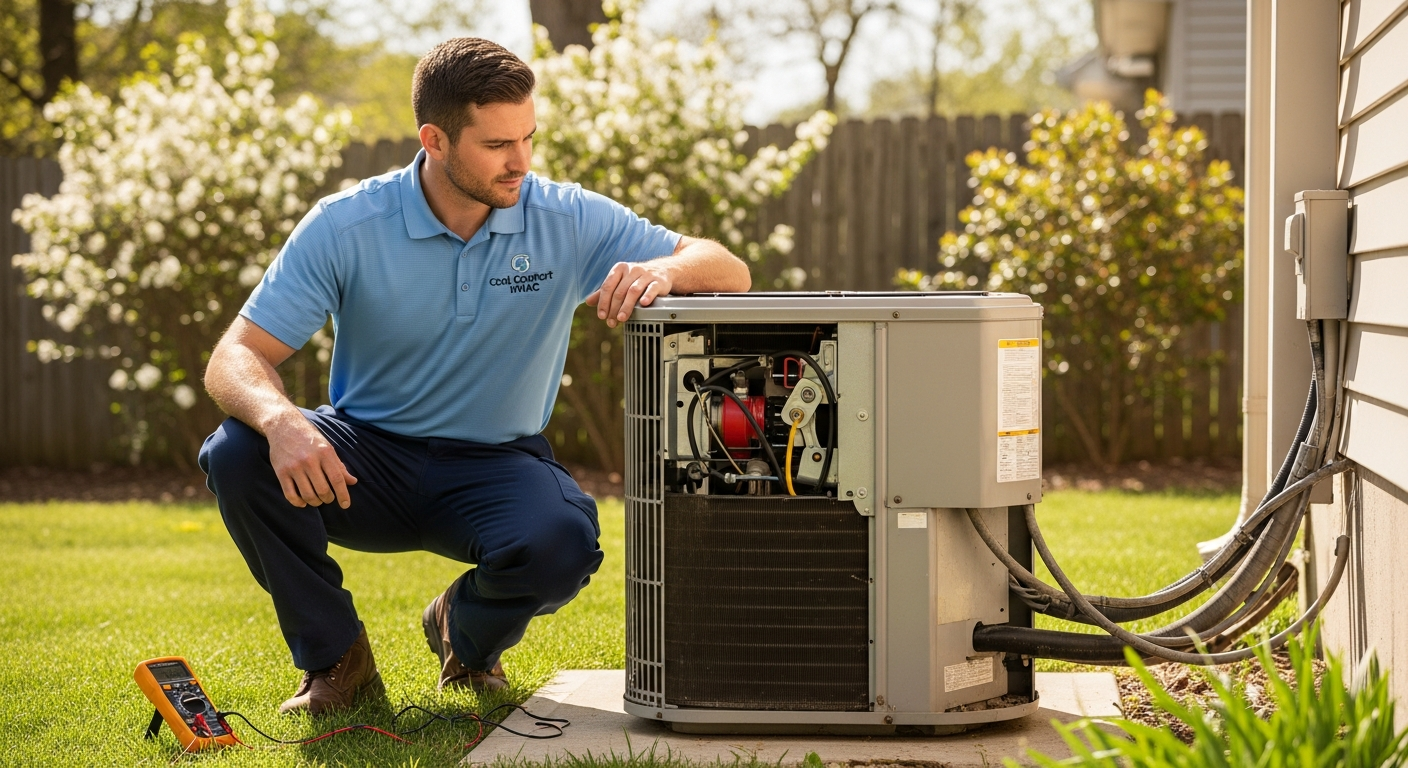
Content Idea #20: The One That Works For Every Trade
Idea 20: Answer The Question A Customer Asked You This Week
This one doesn't have a fixed topic — because the best topic is always the one your customers are already asking about.
Every week, you have conversations on job sites and over the phone where homeowners ask you something they genuinely don't understand. Something about pricing, process, timing, safety, what to do in an emergency, or what they should have done differently. Those questions are your content.
Why this works: Real questions from real customers are the highest-signal content you can produce. They match exactly how people search, they're specific enough to rank, and they're authentic in a way that pre-planned content rarely is. The customer who asked the question last Tuesday is representative of the dozens of homeowners in your area asking the same thing online right now.
Record this prompt: "A customer asked me this week [describe the question]. It's something I get asked pretty regularly, so I thought it was worth explaining properly. Here's the honest answer..."
Use this prompt every week in addition to the specific ideas above. Over time, it becomes your most consistent and most trusted content category.
---
How To Turn One Recording Into A Week Of Marketing
Recording the audio is the start, not the finish. Here's what one five-to-ten minute recording produces when processed through Patric AI:
A blog article for your website. Your recording becomes a formatted, search-optimised article that answers the question a homeowner typed into Google. Each article builds your local authority and adds another indexed page to your website. Websites with active blogs have 434% more indexed pages than those without — every article compounds your search visibility.
A podcast episode. Your recording becomes an audio episode available on Spotify, Apple Podcasts, and other platforms. Even a short episode builds familiarity and trust over time — homeowners who've heard your voice explaining something helpful are far more likely to call you when they have a problem. For more on this, see why small businesses should start a podcast.
Social media posts with graphics. Your recording generates ready-to-share posts with platform-specific graphics for Facebook, Instagram, LinkedIn, and X. Facebook is particularly high-value for trades businesses — homeowners are active in local community groups where helpful content gets shared organically through word of mouth.
One recording. Four channels. One week of consistent online presence — without writing a single word.
For a more detailed look at how this workflow operates day-to-day, see the 5 minutes a day content marketing strategy — the same principles apply directly to trades businesses.
---
Frequently Asked Questions
Do customers actually search for this kind of content in my local area?
Yes — and local searches are where this content has its strongest impact. When you record content that mentions your service area naturally (the way you'd talk about it in conversation), Patric AI's output includes that local context in the article. A blog article about "what to do when your furnace stops working" that references your city or region ranks for searches from homeowners in exactly your service area. That's the difference between a trades business's content and a generic home improvement article.
I don't have time between jobs to record anything. When should I actually do this?
The most natural recording times for tradespeople are: driving between jobs, waiting for a part or inspection, taking a break on-site, or at the end of the day before you leave the last job. Five minutes in your truck produces as much content as two to three hours of writing at a desk. The goal is to make recording feel like talking, not like working. Most of these prompts are topics you could discuss naturally with any homeowner standing in front of you — because you already do.
What if I'm worried about giving away too much information for free?
This concern comes up often with trades professionals, but the data consistently shows the opposite effect. Homeowners who read detailed, honest content from a specific contractor don't do the job themselves — they call that contractor. Educational content that helps people understand a problem makes them more likely to hire a professional, not less. The content signals competence and trustworthiness. That's more valuable than any advertisement.
How do I add my local area to the content so it actually helps with local search?
Just mention it naturally when you record. "In [your city], most homes built before 1990 have..." or "During the winters we get here in [region]..." or "A lot of the homes I work in around [neighbourhood]..." Your local context makes the content more relevant to local searches and more relatable to the homeowners you're trying to reach. Patric AI carries that context through into the written content.
How many pieces of content should I aim to produce each month?
Start with one recording per week — four pieces of content per month across your blog, podcast, and social channels. That's enough to build consistent visibility without adding significant time to your schedule. After two to three months of consistency, most trades businesses start seeing measurable increases in website traffic and inbound calls from content alone. For more on realistic timelines and expectations, see the minimum viable content marketing strategy.
Should I cover all three trades (plumbing, electrical, HVAC) if my business does all of them?
Absolutely. Multi-trade businesses have a significant content advantage — more topics to cover means more pages indexed, more searches answered, and more entry points for homeowners to discover your business. Rotate through topics from each trade area rather than focusing on only one. Over twelve months, a multi-trade business could build a content library covering the full range of homeowner questions across every service category.
---
The homeowners in your area are searching for answers to exactly these questions right now. The contractor whose content shows up first — with clear, honest, useful information — earns the call.
You don't need to become a writer or a content creator. You just need to talk about what you already know.
Record your first audio today at Patric AI — your voice becomes a blog article, a podcast episode, and a week of social media posts automatically.